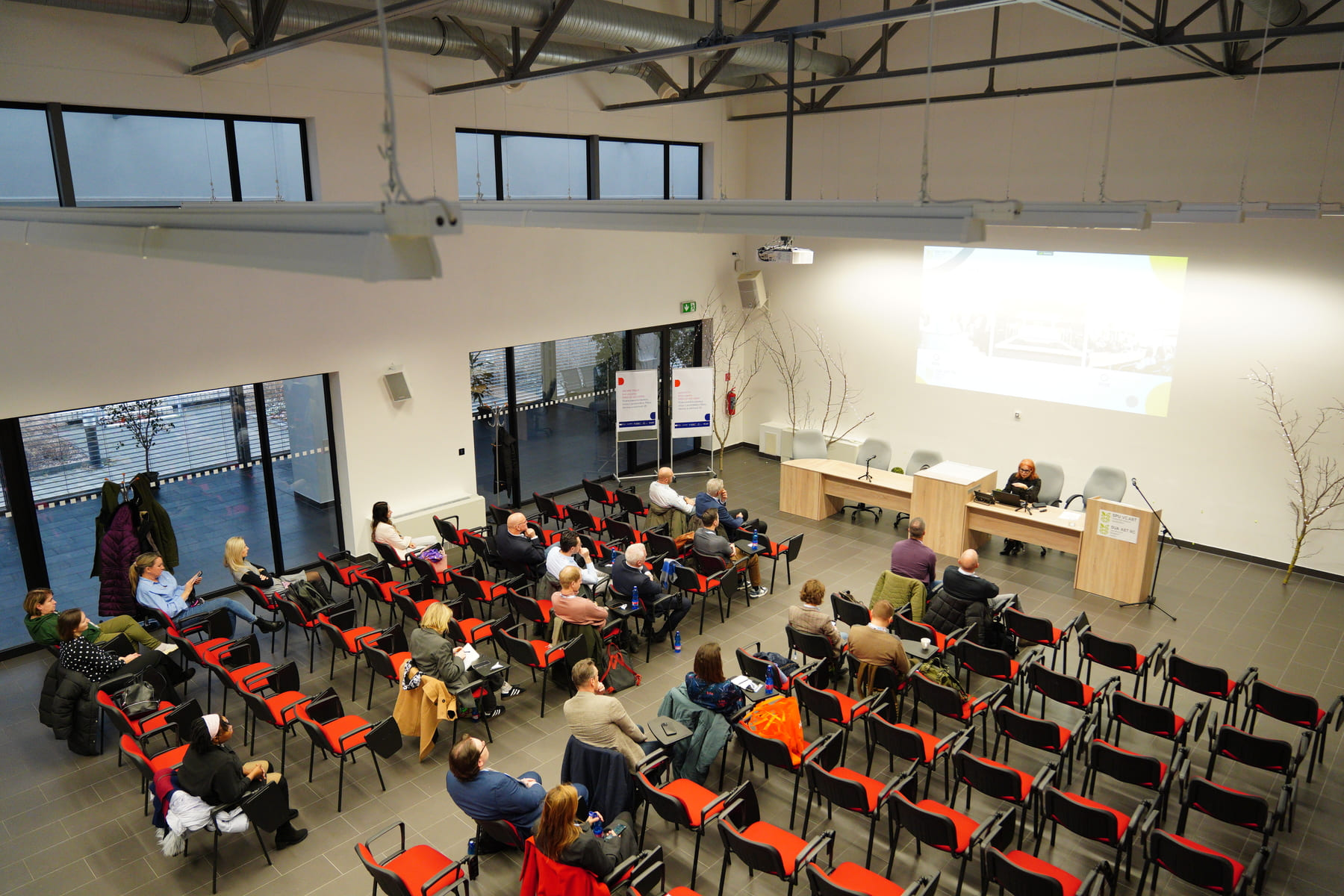



On February 11, the Slovak University of Agriculture in Nitra hosted a business mission from the Netherlands, focused on horticulture.
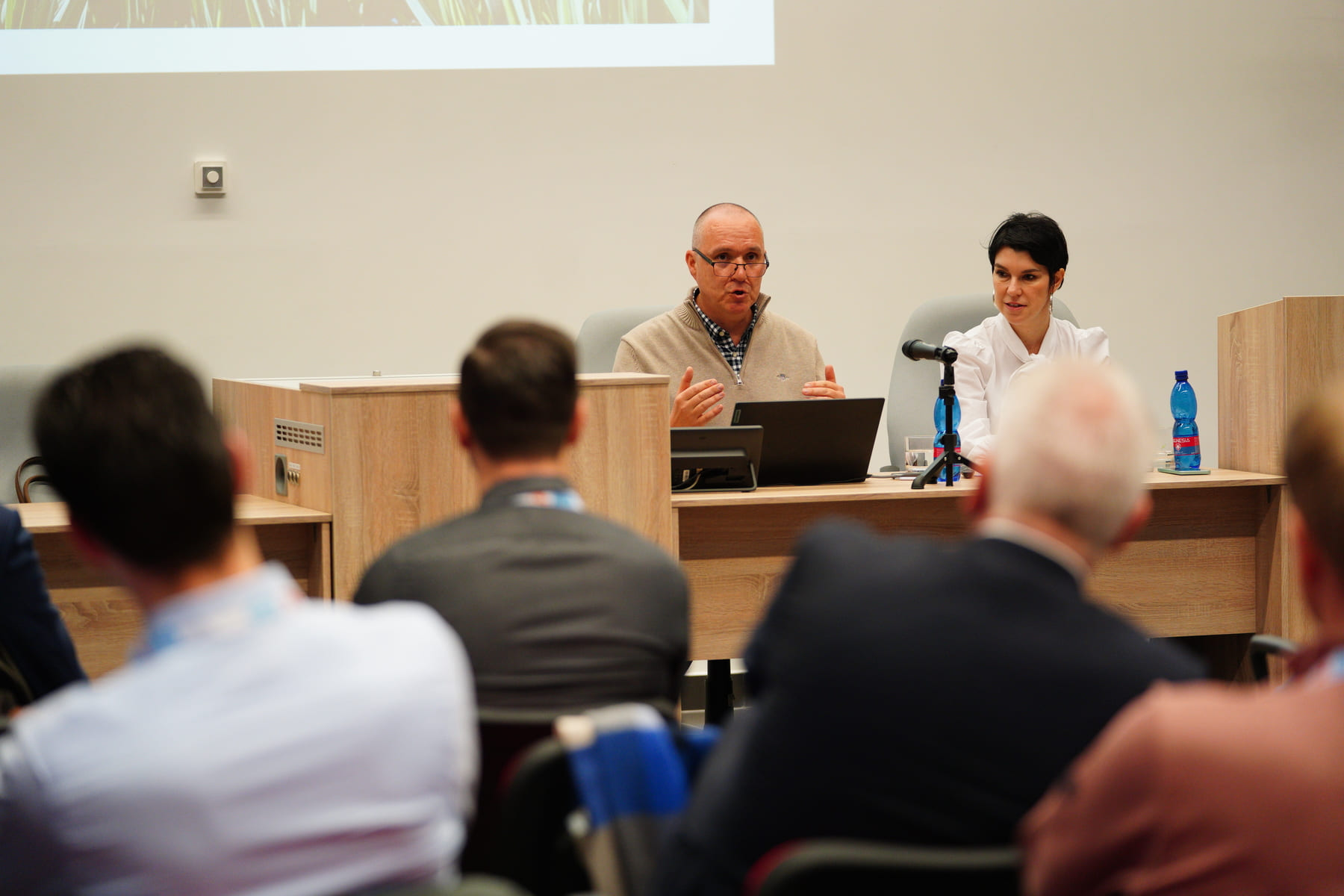
The delegation was welcomed at the AgroBioTech Research Center by Lucia Palšová, Vice-Rector for Strategic Development and Internationalization, and Vladislav Valach, Director of the Office of Foreign Relations and International Educational Programs. They introduced the university to the Dutch visitors and emphasized its active participation in many international projects. They highlighted, for example, the INVEST European University Alliance project, led by SPU, where a Dutch university was also a partner in the previous period. SPU currently cooperates with five educational institutions and companies from the Netherlands within various projects and the Erasmus+ program. Professor Adriana Kolesárová, Director of the AgroBioTech Research Center, presented the center’s activities and guided the visitors through its laboratories, as well as the premises of the SPU Food Incubator.
The Dutch delegation, composed of representatives from eleven companies, is visiting Slovakia from February 9 to 12, with its program focusing on Bratislava in addition to Nitra. They will also visit tomato farms in Kameničany and Babindol. “The aim of this business delegation’s visit to SPU was to establish contacts for potential future cooperation. Another benefit will be that our students will be able to complete professional internships at the companies that visited SPU,” explained V. Valach.
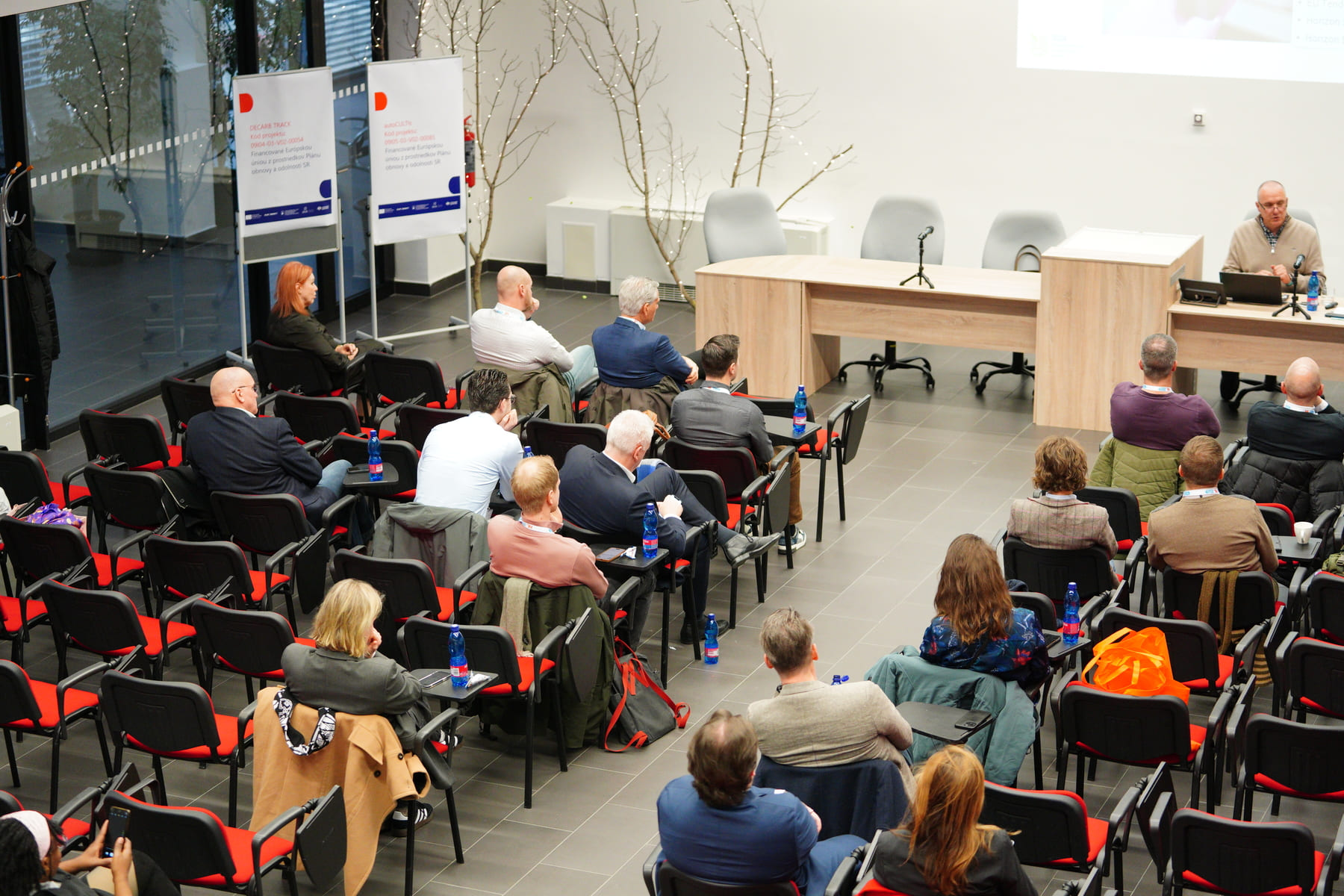
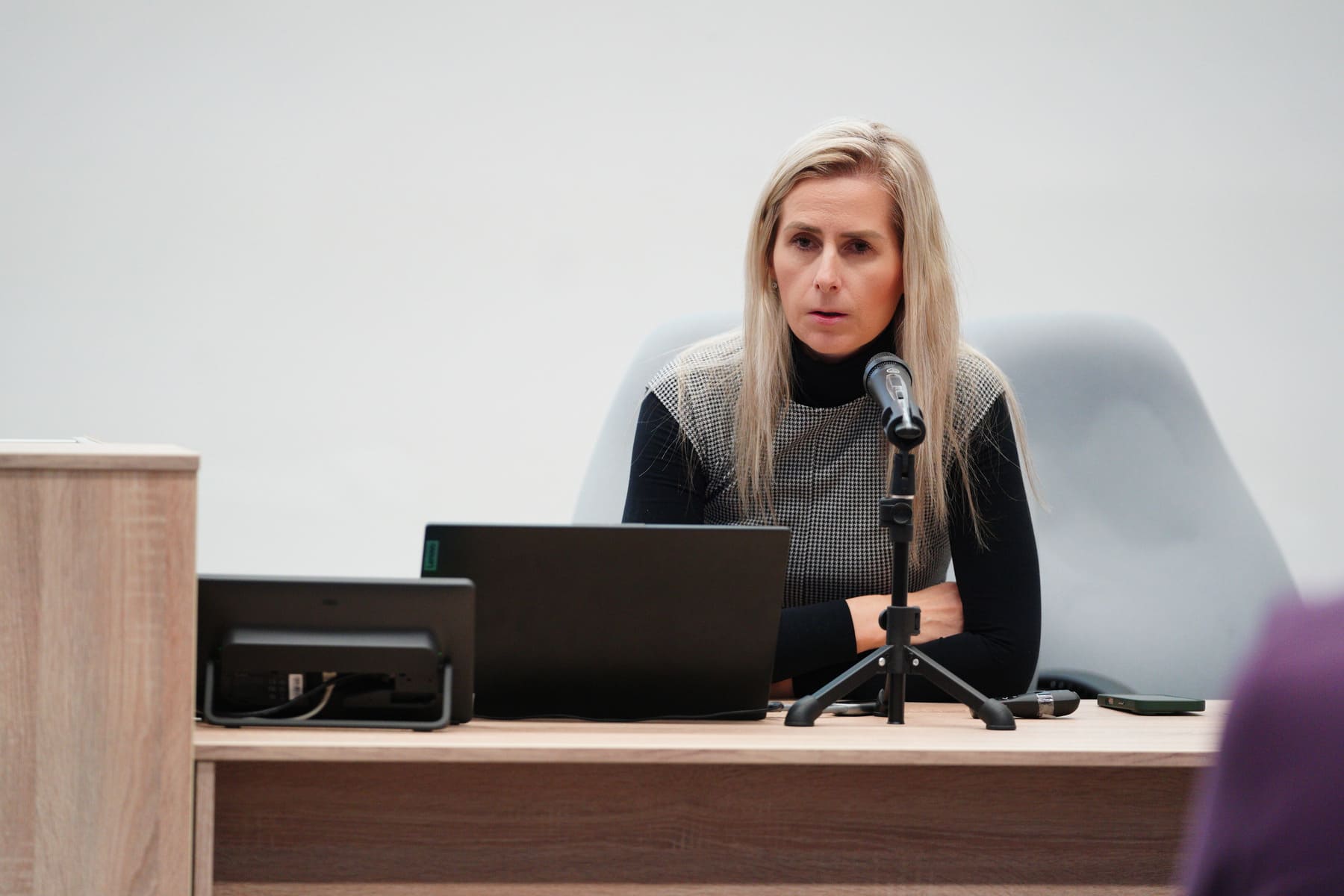
Experts from the Faculty of Horticulture and Landscape Engineering (FZKI) presented some current projects relevant to the scope of the participating Dutch companies in short presentations. Associate Professor Miroslav Šlosár introduced the AutoCULTIs project, which was supported by the Slovak Republic’s Recovery and Resilience Plan. It deals with a new generation of solutions that can fundamentally change the way we approach crop cultivation. One such solution involves autonomous cultivation units managed by artificial intelligence. Another interesting project, focusing on extending food shelf life and the effects of essential oils in this regard, was presented by Professor Miroslava Kačániová. Associate Professor Lenka Lackóová highlighted the benefits of the Decarb Track project, which provides an interactive tool – a calculator – designed to compute the carbon footprint of businesses in the agri-food sector. Approximately 50 companies are already involved in the project, and SPU is the only Slovak university offering such a tool.
At the end of their visit, the Dutch business mission toured the site where a new, innovative SPU greenhouse – the Biodome – is being built as part of the AgroForestry project. It is focused on plant cultivation and sustainable agricultural practices and will serve as a space for innovative research and education.