



The carbon footprint has become one of the key concepts in recent years in the discussion about climate change and the climate crisis. It is used in expert analyses, political documents, and corporate practice, often without a deeper explanation of its meaning, calculation methodology, and actual share of global emissions.
Consequently, the carbon footprint is often reduced to a simplified indicator or a marketing tool, instead of being understood as an analytical framework based on scientific data. The following facts are based on verified sources and summarize key findings about the carbon footprint, greenhouse gas emissions, and their impact on the global climate.
Fact 1: The Carbon Footprint Represents the Total Amount of Greenhouse Gas Emissions
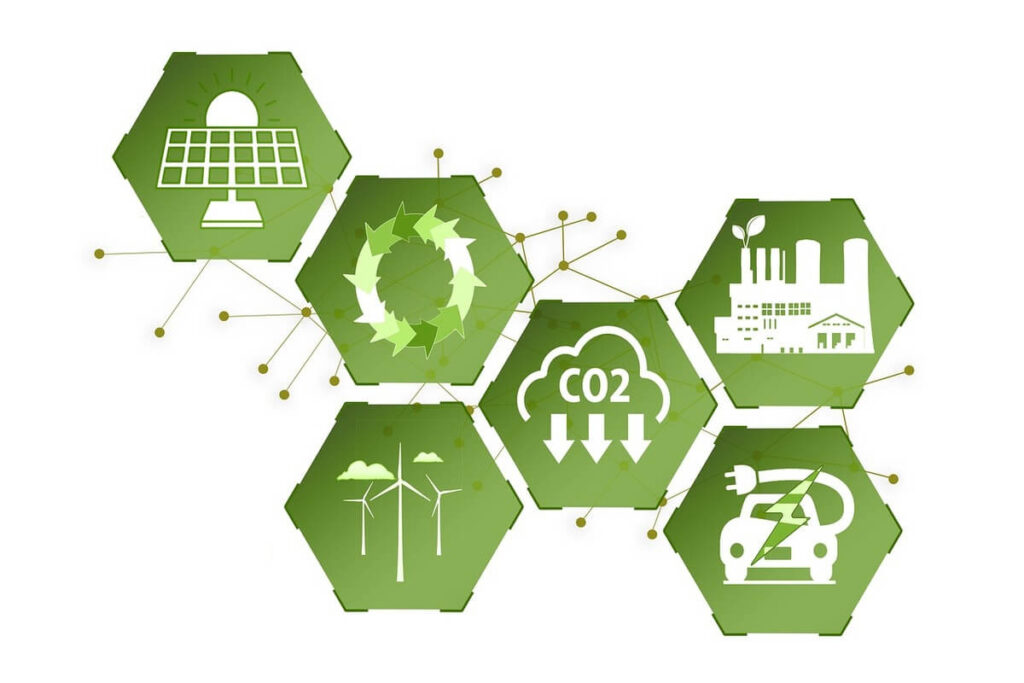
The carbon footprint represents the total amount of greenhouse gas emissions that arise as a result of human activity, a product, or an organization. It includes not only carbon dioxide (CO₂) emissions but also other gases with a significant impact on the climate, especially methane (CH₄) and nitrous oxide (N₂O). For comparability, these gases are converted to CO₂ equivalent (CO₂e), which accounts for their differing global warming potential. This approach enables the comparability of various emission sources within a single, metrically uniform carbon footprint.
Fact 2: Carbon Footprint Calculation is Based on LCA Methodology
The fundamental scientific tool for calculating the carbon footprint is the Life Cycle Assessment (LCA) methodology. This is a systematic approach that evaluates environmental impact throughout the entire life cycle, from raw material extraction, through manufacturing, transport, and use, to the end-of-life of a product or service. The scope of the assessment plays a crucial role. Approaches such as cradle-to-gate, cradle-to-grave, or cradle-to-cradle can lead to significantly different results, which emphasizes the need for a transparent and clearly defined methodological framework when interpreting carbon footprint data.
Fact 3: International Standards Ensure Comparability of Calculations
The calculation of the carbon footprint and greenhouse gas emissions is anchored in international standards ISO 14040, ISO 14044, ISO 14064, and ISO 14067. These standards define the framework, principles, and methodological requirements for calculating the carbon footprint of both products and organizations. At the corporate level, the GHG Protocol is most commonly used, which divides emissions into Scope 1, Scope 2, and Scope 3. This division allows for a better understanding of where emissions originate, but also highlights the high methodological complexity, especially for Scope 3 emissions, which include supply chains and the product use phase.
Fact 4: Global Emissions Reached an All-Time High
According to IPCC data, global anthropogenic greenhouse gas emissions reached approximately 59 ± 6.6 gigatons of CO₂e in 2019. The decade 2010–2019 recorded the highest average annual emissions in history. This trend confirms that despite technological progress, global emissions continue to rise.
Fact 5: Emissions Growth is Driven by Economic and Population Growth
Key factors driving emissions growth include global economic growth and population growth. Analyses show that the increase in GDP per capita has been the strongest factor in rising CO₂ emissions in recent decades. Although the energy efficiency of the global economy is gradually improving, this positive trend has not yet been able to offset the growth in consumption of energy, materials, and services. The result is an increase in the absolute amount of emissions, even as emissions per unit of production decline.
Fact 6: There are ‘Locked-in’ Emissions from Fossil Fuel Infrastructure
The IPCC warns of so-called committed emissions – future emissions that will arise from already existing fossil fuel infrastructure. It is estimated that the operation of existing facilities alone could produce approximately 660 Gt CO₂, which exceeds the remaining carbon budget compatible with the goal of limiting warming to 1.5 °C. Approximately half of these emissions come from the energy sector, which significantly limits the scope for future emissions reductions without fundamental systemic changes.
Fact 7: The Largest Share of Emissions Comes from the Energy Sector
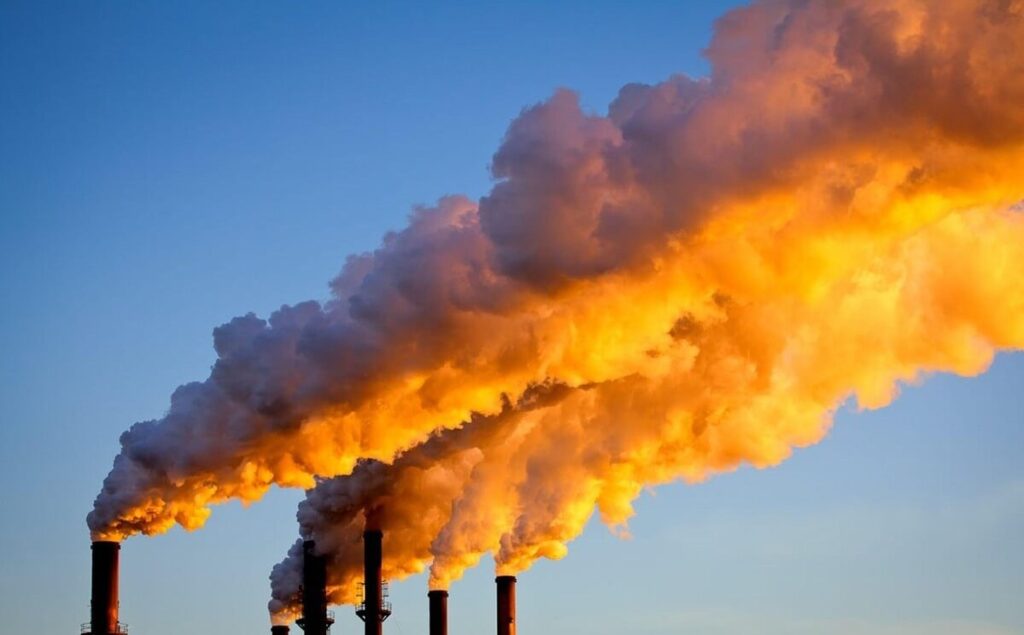
The energy sector is the dominant source of greenhouse gas emissions. The burning of fossil fuels for electricity and heat production generates significant amounts of CO₂ and also contributes significantly to methane emissions. Methane from the energy sector has a significant short-term impact on the climate, and its actual amount is systematically underestimated according to several sources. This means that the actual climate impact of the energy sector may be higher than official inventories suggest.
Fact 8: Product Carbon Footprint Often Arises During Use
LCA analyses in the textile industry show that a significant portion of the carbon footprint does not arise during manufacturing but during product use. Washing, drying, and electricity consumption can constitute the largest share of greenhouse gas emissions during the life cycle of clothing. This finding highlights the importance of consumer behavior and that reducing the carbon footprint requires considering the entire life cycle, not just manufacturing processes.
Fact 9: Emissions are Unevenly Distributed Globally
The distribution of emissions among the population is not even. Households in the highest income brackets are responsible for a disproportionately high share of global CO₂ emissions, while the poorest half of the population contributes only a small portion. This disparity indicates that the potential to reduce emissions is concentrated mainly among large consumers, in industry, and in economically developed regions.
Fact 10: Without Accurate Calculation, Systematic Emissions Reduction is Not Possible
Reducing the carbon footprint is not possible without accurate emissions calculation. A lack of quality data, especially in supply chains, significantly complicates efforts to reduce CO₂ emissions. The carbon footprint therefore becomes a fundamental tool for managing climate risks, planning measures, and long-term sustainability. In this context, carbon offsets are also frequently discussed, whose real effectiveness in reducing the carbon footprint depends on whether they complement or replace direct emissions reductions.
Fact 11: The Growth of Artificial Intelligence and Data Centers Increases the Carbon Footprint
The rapid development of artificial intelligence, cloud computing, and cryptocurrency infrastructure leads to a significant increase in the number and capacity of data centers. These facilities are extremely energy-intensive, as they ensure the continuous operation of computing technology, cooling, and network infrastructure.

Research shows that the expansion of data centers could lead to a noticeable increase in CO₂ emissions by 2030, with the energy mix from which electricity for data centers is generated playing a significant role. The carbon footprint of digital infrastructure is thus becoming an increasingly important part of total greenhouse gas emissions.
Conclusion
The carbon footprint represents a complex analytical tool that allows for a better understanding of the origin of greenhouse gas emissions and their relationship to the climate crisis. The facts presented in this article indicate that reducing emissions requires a systemic approach based on accurate data, transparent methodology, and an understanding of global contexts.
Working with companies, we see that a quality carbon footprint calculation is the first step towards real emissions reduction. At DecarbTrack, we help you with carbon footprint calculation based on verified methodologies and data to identify actual emission sources and set measures with a measurable impact on the climate, not just formal declarations.